

|
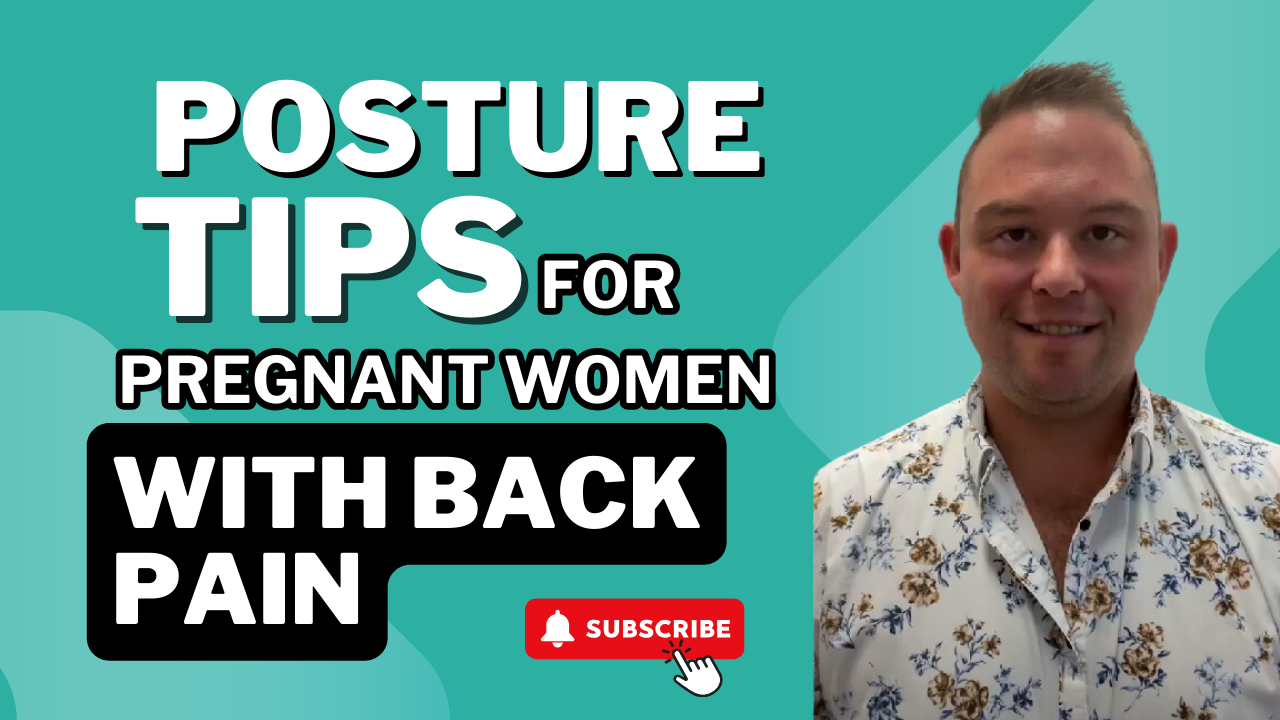
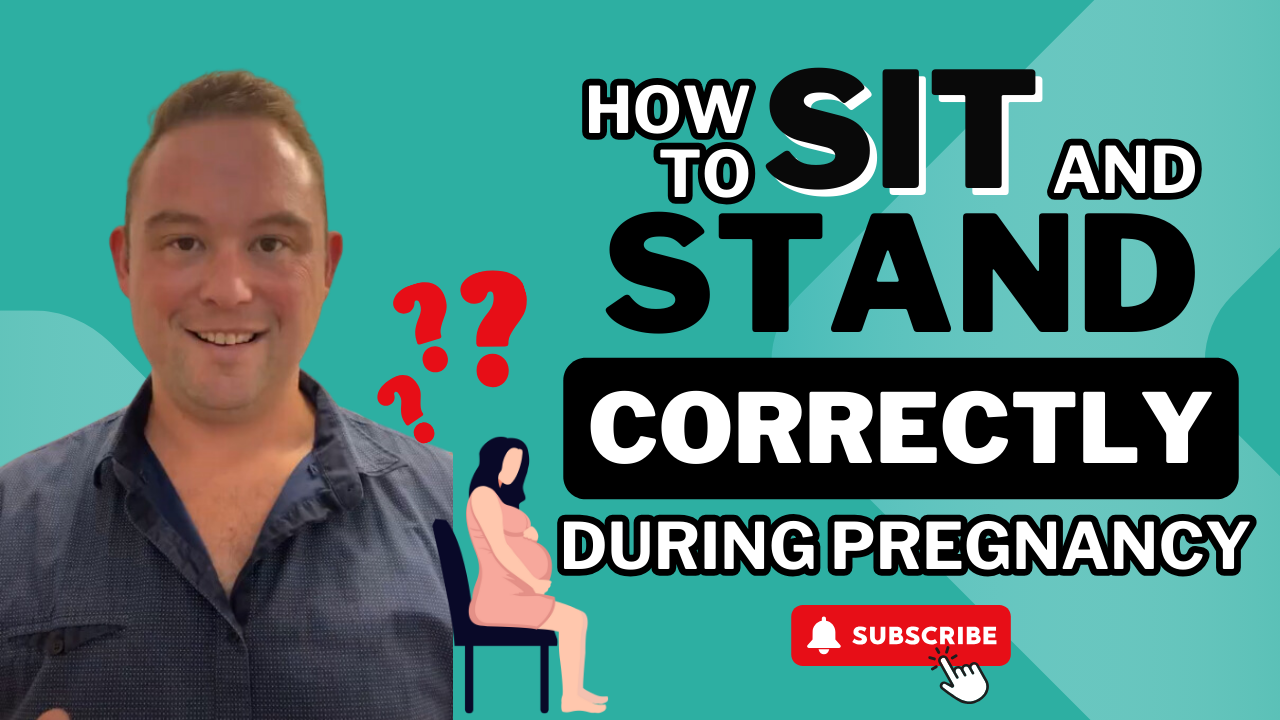
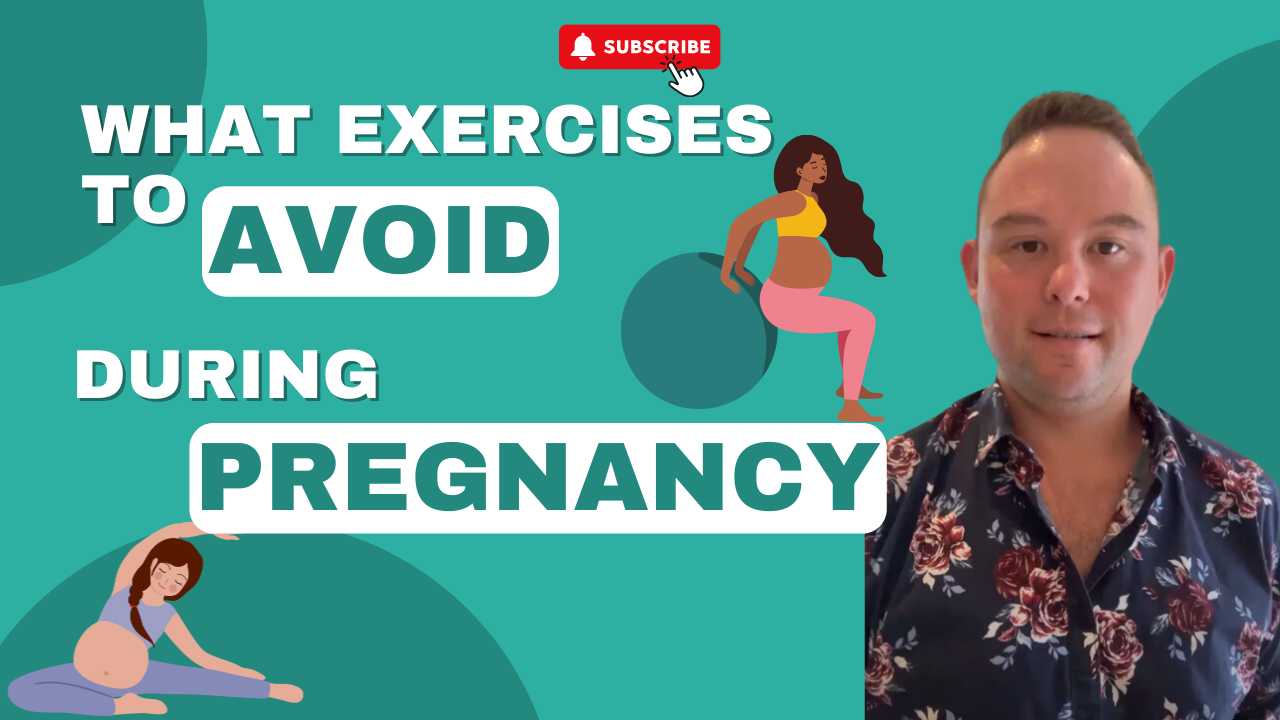
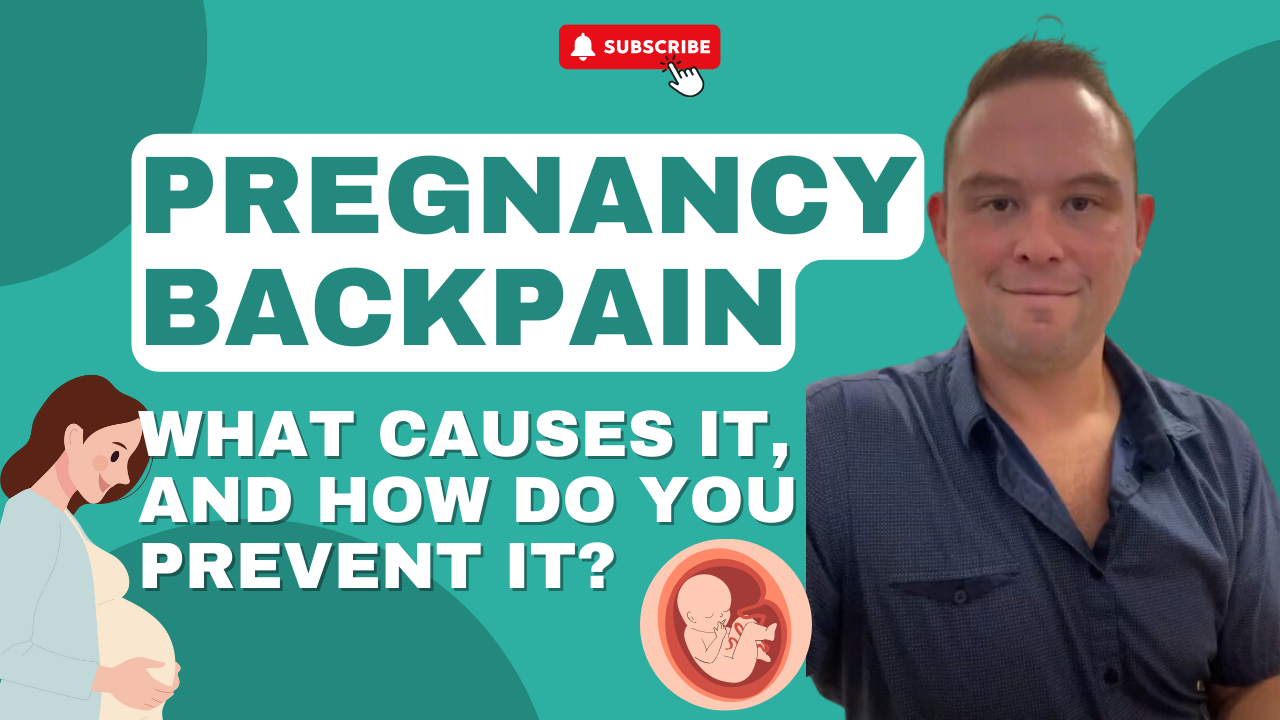
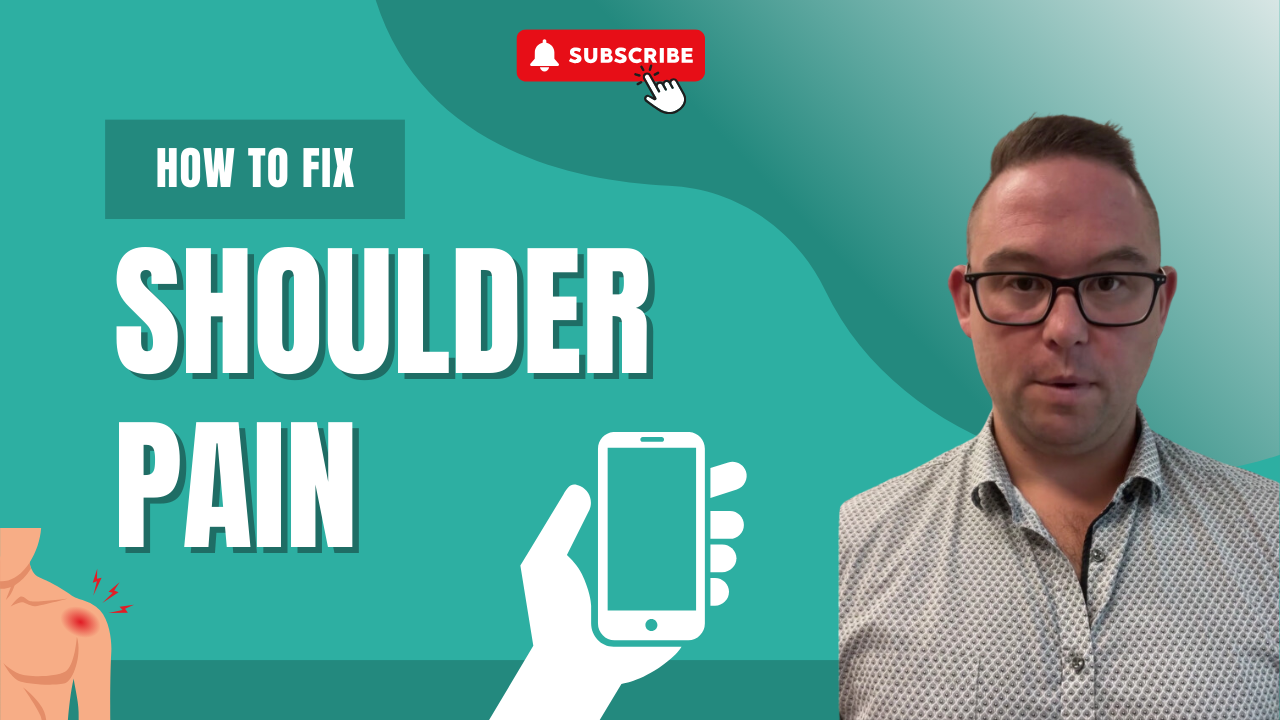
🤰 Quick Posture Tips for a Pain-Free Pregnancy: Master Your Comfort Zone! 👣 Expecting mums, this one's for you! Pregnancy is a beautiful journey, but it can also bring its share of challenges, especially when it comes to back pain. In this insightful video, we share with you essential posture tips to help you navigate your pregnancy with comfort and ease. Let's dive right in! Discover these quick posture tips that can make a world of difference: 💺 Sitting Gracefully 🪑 Chair Selection 🚶 Standing Confidently 🛌 Sleep Soundly 💼 Lifting Mindfully 🧘 Stretching Essentials Embark on your journey to a pain-free pregnancy by integrating these posture tips into your daily life. Your well-being matters, and these tips can contribute to a happier and healthier pregnancy experience. If pregnancy-related back pain persists, don't hesitate to seek help. Your comfort is our priority, and we're here to support you on your path to a pain-free pregnancy. Contact us through these channels: 🌐 Learn more about our holistic approach here 👍 Join the conversation on Facebook 📸 Discover wellness inspiration on Instagram 📞 Call us at: (07) 3483 0485 Embrace proper posture and maximize your comfort during this incredible journey. Here's to a joyful and vibrant pregnancy experience! #PainFreePregnancy #PostureMatters #WellnessJourney #ExpectingMums 🤰 Mastering Pregnancy Posture: Sit and Stand with Ease for a Healthy Journey! 👣 Maintaining proper posture during pregnancy is crucial for your comfort and well-being. And in this video, we guide you through the art of sitting and standing correctly, helping you navigate this transformative time with confidence and grace. Let's dive in! Discover the key principles of sitting and standing during pregnancy: 🪑 Sitting Correctly 🔑 Tips for Optimal Sitting 🚶 Standing Confidently 🔑 Tips for Effective Standing By incorporating these invaluable tips into your daily routine, you can significantly enhance your pregnancy experience by minimizing discomfort and ensuring your well-being. Sharing is caring! If you know a fellow mum-to-be who would benefit from this essential knowledge, share this video with them or tag them in the comments below. Empower yourself with expert guidance and enjoy a healthier and happier pregnancy journey! For more in-depth resources and support, contact us! 🌐 Learn more about our holistic approach here 👍 Join the conversation on Facebook 📸 Discover wellness inspiration on Instagram 📞 Call us at: (07) 3483 0485 Embrace proper posture and elevate your pregnancy journey to new heights of comfort and joy. Here's to a delightful and thriving pregnancy experience! 🌸 #HealthyPregnancy #PregnancyPosture #WellnessJourney #ExpectingMums 🤰 Attention all expectant mothers! While staying active is a fantastic way to support your well-being during pregnancy, it's crucial to know which exercises to steer clear of to ensure the safety of both you and your baby. 💪 In this informative video, we reveal the exercises that should be avoided during pregnancy, helping you make informed choices for a healthier journey ahead! 🌟 Here’s what’s in-store for you in this video: 🚫 Learn the 5 exercises that are best left out of your pregnancy fitness routine. 🚫 Get insightful advice on consulting with your chiropractor or health practitioner before incorporating new exercises into your routine. By avoiding these exercises and following the expert tips provided in this video, you'll not only reduce stress on your body but also enhance your chances of experiencing a joyful and healthy pregnancy. Have a friend or family member who could benefit from this vital information? Share this video with them or tag them in the comments below. Your commitment to a healthier pregnancy journey starts here! For more expert guidance and resources, feel free to reach out to us through these channels: 🌐 Learn more about our holistic approach here 👍 Join the conversation on Facebook here 📸 Discover wellness inspiration on Instagram here 📞 Call us at: (07) 3483 0485 Empower yourself with knowledge and make confident choices to support your well-being and that of your growing baby. Here's to a happy and healthy pregnancy! 🌈 #HealthyPregnancy #SafeExercise #PregnancyFitness #WellnessJourney 🤰 Embrace a Comfortable Pregnancy Journey: Beat Back Pain with These Tips! 💆♀️ Calling all expecting mothers! Are you tired of battling back pain during your pregnancy? In today's video, we're going to share invaluable insights to help you prevent and manage pregnancy-related back pain. Discover the three most common culprits behind pregnancy-related back pain and gain a deeper understanding of why this discomfort occurs. From changes in posture to hormonal shifts, we break it down for you. You’ll also learn six empowering tips to help you tackle back pain head-on and make the most of your pregnancy experience. Watch the full video to get these life-changing insights now! Pregnancy-related back pain is a common challenge, but you don't have to suffer in silence. Let's make your pregnancy journey more joyful and pain-free together! Ready to dive deeper or seek personalized assistance? Reach out to us through these channels! 🌐 Learn more about our holistic approach 👍 Join the conversation on Facebook 📸 Discover wellness inspiration on Instagram 📞 Call us at: (07) 3484 0485 Empower yourself with the knowledge and tools to enhance your pregnancy experience. Share this video with other expecting moms who deserve a more comfortable and enjoyable journey. Wishing you all the best on your path to a healthier, happier pregnancy! 🌈 Are you ready to unleash your full potential? In today's video, we're diving into a powerful concept that could ignite a transformation in how you approach your health and fitness journey. Get ready to ignite your identity as an athlete and watch the magic unfold! ✨ Join us as we explore the fascinating perspective of what it truly means to be an athlete. It's not just about sports or physical prowess – it's about adopting a winning mindset that can reshape your self-perception and fuel your performance to new heights. 🌟 Discover the inspiring definition of an athlete that goes beyond skills and physicality, and why it matters for your success. 🌟 Learn how your surroundings play a crucial role in shaping your behaviours and how being in an athlete-friendly environment can ignite your progress. 🌟 Uncover the surprising influence your social circle has on your health and well-being, and how to harness it for positive change. Curious to learn more? Dive into the full video to fan the flames of this game-changing mindset shift. If you're eager to break free from old injuries or discomfort that's been holding you back, we're here to support you. Reach out to us! 🌐 Learn more about our holistic approach here 👍 Join the conversation on Facebook: Charlton Chiropractic Redbank 📸 Discover wellness inspiration on Instagram: charlton_chiro_redbank 📞 Call us at: (07) 3483 0485 Join the athlete's mindset revolution and start living your best life today! Share this empowering message with friends who are ready to fan their flames of potential. Catch you on the winning side! 👋 #AthletesMindset #IgniteYourPotential #MindsetSpark #HealthAndWellness Attention, all 40+ warriors! If you're looking to optimize your training routine, this video is a must-watch. Discover the game-changing hack that could make all the difference in your performance and overall well-being. 💪 In this quick video, we're unveiling the key to staying active, vibrant, and injury-free as you embrace a healthy lifestyle. Uncover why avoiding injuries is the ultimate performance booster, especially as we age. From maintaining your favourite activities to enjoying life to the fullest, this hack is your ticket to long-term success. Don't let setbacks hold you back – learn how to train smarter and stay in the game! Curious to learn more? Dive into the full video for expert insights and practical advice. Ready to take charge of your fitness journey? Share this wisdom with friends who could benefit from injury prevention. And if you're determined to stay injury-free and improve your performance, reach out to us! 🌐 Learn more about our holistic approach here 👍 Join the conversation on Facebook: Charlton Chiropractic Redbank 📸 Discover wellness inspiration on Instagram: charlton_chiro_redbank 📞 Call us at: (07) 3483 0485 Let's rewrite the narrative and empower ourselves with injury-free training. Your best days are yet to come! Catch you on the flip side! 👋 #TrainSmart #InjuryPrevention #ActiveLife #PerformanceBoost 🔥 Boost Your Health with Just 1 Hour a Week! 🏋️♂️ Looking to make a simple change that can have a big impact on your well-being? Discover the one-hour habit that could decrease your risk of disease and improve your quality of life. 🌟 In this video, we're diving into the game-changing practice that's not just for athletes – it's for everyone! Join us as we explore the incredible benefits of weight training and how it can enhance your performance in everyday life. From playing with your kids to thriving at work, this habit is all about boosting your capabilities and living your best life. Don't miss out on this simple yet powerful way to supercharge your well-being! Curious to learn more? Watch the full video for all the details and insights. Ready to take the first step towards a healthier, more vibrant you? Connect with us! 🌐 Learn more about our holistic approach 👍 Join the conversation on Facebook: Charlton Chiropractic Redbank 📸 Discover wellness inspiration on Instagram: charlton_chiro_redbank 📞 Call us at: (07) 3483 0485 Unleash your potential and transform your health with this one-hour habit – the results might just surprise you! Catch you on the flip side! 👋 #WellnessJourney #WeightTraining #HealthyHabits #GameChanger Ever wondered how to take your game to the next level? It's not just for athletes – we've got 5 game-changing natural tips to supercharge your performance. 💥 Whether you're chasing your kids around, battling work stress, or aiming to stay healthier, these tips are for you. 💡Tip 1: Spice Up Your Workouts Discover why varying your exercise routine is key for injury prevention and growth. 💡 Tip 2: Embrace Recovery Time Learn the importance of downtime to let your body heal and become stronger. 💡 Tip 3: Power Up Your Brain Uncover how a healthy brain fuels peak performance and how to boost it naturally. 💡 Tip 4: The Chiropractor Advantage Find out why a visit to the chiropractor could be your secret weapon for enhanced strength and performance. 💡 Tip 5: Hydration: The Game-Changer Learn why staying hydrated is non-negotiable for your best performance and overall well-being. Excited for more? Get the full scoop in our video! Have questions or ready to take the leap? Drop a comment or DM – we're here for you! And if you're amped up to supercharge your performance, reach out to us! 👍 Join the conversation on Facebook: Charlton Chiropractic Redbank 📸 Discover wellness inspiration on Instagram: charlton_chiro_redbank 📞 Call us at: (07) 3483 0485 Your journey to peak performance starts now – catch you on the other side! 👋 Struggling with persistent shoulder pain? You're not alone. In this video, I reveal the hidden culprits that might be exacerbating your discomfort. These common habits could be preventing your shoulder from healing properly. Learn about the three everyday actions that might be hindering your shoulder's recovery, just like picking a scab interferes with healing. Discover how to make simple changes to promote relief. 💤 Sleep Right for Shoulder Health 💼 Ergonomic Desk Tips 📱 Break Free from Phone-Related Pain ⚡ Unlock Your Shoulder's Healing Potential: By addressing these everyday irritants, you're giving your shoulder a better chance to recover naturally. Join me in the full video to get the complete insights on how to find relief from shoulder pain. Need personalized guidance or have questions? Reach out to us - we're here to support you on your journey to a pain-free shoulder. 👍 Join the conversation on Facebook: Charlton Chiropractic Redbank 📸 Discover wellness inspiration on Instagram: charlton_chiro_redbank 📞 Call us at: (07) 3483 0485 Share these valuable insights with others who might be struggling with shoulder discomfort. Remember, simple adjustments can lead to significant improvements in your shoulder's well-being. Here's to a future free from shoulder pain. Looking forward to guiding you on your path to relief! 👋 Are you tired of battling shoulder pain? There's a key factor you might be missing. I'm here to shed light on this crucial element that could change your pain relief journey. 🔑 What You Need to Know: Discover why solely focusing on the rotator cuff might not be the ultimate solution for your shoulder pain. I'll unveil the missing link that often goes unnoticed and show you exactly how to address it. 💡 The Game-Changing Exercises: Master the Chest Stretch: Use a simple doorway stretch to release tension in your chest and shoulder. Embrace the Shoulder Squeeze: Strengthen your upper back muscles with an effective exercise that supports proper posture. ⏰ Make It a Habit: Incorporate these exercises into your daily routine – aim for 3 to 5 times throughout the day. As you correct your posture, you're likely to experience a welcome relief. 🎥 Ready to learn more? Join me in the full video for a step-by-step guide to banishing shoulder pain. Got questions or seeking support? Reach out to us – we're here to help you on your journey to a pain-free shoulder. 👍 Join the conversation on Facebook: Charlton Chiropractic Redbank 📸 Discover wellness inspiration on Instagram: charlton_chiro_redbank 📞 Call us at: (07) 3483 0485 Share this valuable insight with anyone looking for relief from shoulder pain. Remember, understanding the missing link is your first step towards a pain-free future. Here's to a brighter and more comfortable tomorrow. Can't wait to guide you on this journey! 👋 #ShoulderPainRelief #MissingLink #HolisticHealing #WellnessJourney |
AuthorDr Michael Charlton is a highly experienced Chiropractor who operates a clinic in Redbank, Ipswich Qld Archives
April 2024
Categories |

 RSS Feed